Friday, December 20, 2013

Wine of the Week: Spring Mountain Vineyard 2010 Estate Bottled Cabernet Sauvignon $75


Spring Mountain Vineyard delivers a memorable, mouth-watering Cabernet that can be a Holiday Table centerpiece

by Dwight Casimere


ST. HELENA,CA--This pre-Christmas Day weekend is the perfect time to buy one of the best Napa Valley Cabernet Sauvignon's in recent memory, Spring Mountain 2010 Estate Bottled Cabernet Sauvignon. This lush, full-bodied wine is a natural accompaniment to the Holiday meal and its elegant structure and flavor will make it the centerpiece of your dining experience. At $75, it's actually a steal, considering its exceptional taste.There are Napa Valley Cabs that cost a great deal more that proved to be not nearly as interesting.  With its flavors of black cherries and cranberries with hints of nutmeg and cinnamon, it goes perfectly with Turkey and especially with a nice Crown Roast of Prime Beef. I had it with a Prime Porterhouse Steak brushed with fresh Rosemary branches I'd brought back from Italy and drizzled with Roman olive oil. The kaleidoscope of flavors was astounding. I stored the remaining wine for the next day's meal, which was grilled lamb chops marinated in garlic butter. The wine had become even more complex and flavorful, revealing dark chocolate hints, mocha and a lingering taste of cardamom and the faint aroma of crushed American Beauty roses. It was an unforgettable gourmet experience.   The winemakers, in fact, suggest decanting the wine before serving in order to allow its fullest expression. Spring Mountain Vineyard is one of the most beautifully appointed estates in the Napa Valley. It certainly is a must-see on your next visit to Napa Valley. With is 845-acre estate on the eastern slope of Spring Mountain, it's wines are produced entirely from grapes grown on the estate.  Spring Mountain Vineyard 2010 Estate Bottled Cabernet Sauvignon is a spectacular wine. It would even make a greatly appreciated gift that the recipients will thank you for long after the embers from the Yuletide Log have disintegrated into ashes. Better yet, buy a bottle for yourself and enjoy by a crackling fire while relaxing amongst the Holiday remains of crumpled wrapping paper and twinkling tree lights.

Wednesday, November 27, 2013

Wine of the Week: Banfi Centine 2012-$10


Dwight The Wine Doctor

Rome, Italy--Turkey Day is here! Across the United States, families are gathering around the Holiday Table for a stomach-filling meal with turkey and all the fixin's. One of the most problematic meals to match a wine with, because of its kaleidoscopic blend of savory and sweet dishes,  Banfi has scored a home run with its 2012 Centine Rose ($10) from its flagship castle estate in Tuscany. This is a truly top-quality wine, delivered at a bargain-basement price. A blend of local treasure Sangiovese grapes, combined with the International varietals Merlot and Cabernet, so familiar to American wine lovers, Banfi achieves a bright, easy-drinking wine with a vibrant, eye-catching  color that literally dances with flavor. Along with that intense pink color comes some equally intense and delicious fruit.  Clean and fresh with hints of maraschino cherries, its flavor unfolds the more you drink it. It's kind of like the effect of stargazing  where, the longer you look into the nighttime sky, the more stars and constellations you see. For example, a second sip of Banfi Centine reveals mouthwatering wild strawberries and ripe raspberries. Then later, you detect a touch of kumquat or orange zest on the finish. This is a Rose' that defies your previous perceptions of what a rose' should be. This is definitely not your Aunt Susie's rose' or any of those dreadful "eye of the swan" permutations that were foisted upon an unwitting public a few decades ago. Rather than delivering a cloying sweetness, as you might expect from the color, the wine is full bodied and dry with an aroma of crushed red flowers, derived from the Cabernet and an intensity of flavor and even structure, provided by the Merlot. It also has a rich, earthy character, derived from that Tuscan king of grapes, Sangiovese. I guarantee that people who say they don't like Rose' wine will love this one. It's the perfect blend of indiginous grapes and international varieties that speaks to the best of both Italy and America. It goes perfectly with the Holiday Turkey and, what's even better,  at a great price!

D


Thursday, November 21, 2013

WINE OF THE WEEK CAKEBREAD CARNEROS PINOT NOIR 2011 $50

Dwight The Wine Doctor with Dennis Cakebread-VP Marketing, Cakebread Cellars at Greystone

Vineyards in the Carneros with grapes ripe for the harvest


NAPA VALLEY--Carneros District grapes are among the most coveted among winemakers in the Napa Valley. It's unique location makes it the ideal place to grow quality grapes that are lush in flavor with the perfect balance of sugar and tannins.  Walking through the vineyards of ripened grapes which are ready for harvest, the aroma is heady and almost overwhelming.

Coveted because of its unique location at the southern tip of the Napa Valley, Carneros District lies at the mouth of San Pablo Bay, which gives it cool, foggy nights and mornings, and tremendous sun exposure and warmth during the day, which makes for a long growing season. Grapes from the area make some of the most complex, flavorful wines imaginable. That is precisely where the winemakers at Cakebread Cellars source grapes for their outstanding Carneros Pinot Noir 2011 ($50), which is our Wine of the Week. Jack Cakebread founded the winery in 1973, it was with the idea of producing limited production, handcrafted wine that would reflect the land from which it came. He has achieved that and more with his newly released Pinot Noir.

A Harvest Moon rises over the Napa Valley

Grapes are harvested in the cool cover of night to preserve their rich flavor. Fragrant, with aromas of black cherries, strawberries and dark red plums, and a hint of pomegranate, the wine has a backnote of rosehips, sandalwood, vanilla and baking spices that speaks to its careful, long aging in small French oak barrels. It's fragrant nose speaks of the Holidays and reminds one of the potpourri often used in table centerpieces with a redolence that fills the room. Full in the mouth, its the perfect partner for the Holiday Turkey, Roast Duck or Pheasant and Sage-infused stuffing. At a price well below that of comparable Pinot Noirs from the regions, this is a real bargain that delivers "Grand Cru" flavor at a very reasonable price.

Monday, November 11, 2013

Dry Creek Foggy Oaks Chardonnay $20

WINE OF THE WEEK: DRY CREEK VINEYARDS 2010  FOGGY OAKS CHARDONNAY $20

Estate Grown Russian River Valley Chardonnay lets grape flavor shine through

Sonoma County, CA--It's hard to believe that time is here to order the Thanksgiving Turkey and start buying the wine that will grace the Holiday table. The harvest is in in Sonoma County and the new vintages are being released just in time for Holiday enjoyment. Russian River Valley is famous for its warm sunny days and cool, foggy nights and mornings which yield perfect grapes at harvest that produce lush, flavorful wines. Dry Creek 2010 Foggy Oaks Chardonnay is made from 10% estate grown grapes from the winery's famed DCV10 vineyard in the Russian River Valley. The wine is a dream come true for lovers of the Chardonnay grape who have tired over the over-oaked taste that has marked many of the best-known California Chards of the past. Foggy Oaks brings forth the true bright apple and Bosc pear flavor of this new styled Chardonnay without masking it in an avalanche of oak and buttery flavors. The wine is 100% barrel fermented under cool conditions to preserve its delightful fruit flavor, then aged 10 months in French and Hungarian oak. Only 45% of new oak is used so that the toast doesn't overpower the lush fruit flavors of the wine. Get ready to dig into a symphony of fresh fruit flavors, from ripe Golden Delicious apples to Meyer Lemon peel and hints of guava and Lychee with just a hint of apricot and vanilla that moves in perfect harmony with a seamless acidity that makes it the perfect accompaniment to the Holiday Turkey and sage and roasted chestnut dressing. This is a beautiful wine with structure, balance and elegance. The best part is that it costs only $20, leaving plenty in the budget to splurge on a fancy dessert for the evening's finale.  At that price, you can afford to order a case. Go online at store.drycreekvinetard.com to learn more.
 Dwight The Wine Doctor at the Russian River Valley harvest


Thursday, October 31, 2013

Tenuta di Bibbiano among Italy's best Chianti Classico's and under $20

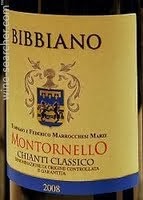
Bibbiano Chianti Classico DOCG ($14) is our Wine of the Week


Wines Reviewed by Dwight Casimere October 16, 2013
photo gallery by Dwight Casimere


WASHINGTON, D.C.--Streets leading up to Capitol Hill were virtually devoid of traffic and pedestrians on what turned out to be the final day of the U.S. Government shutdown. While President Obama and Congressional leaders were making their announcements on the agreement to end the stalemate, a small  group of wine journalists and trade officials were gathered in a private dining room at Bibiana Osteria-Enoteca, considered among the nation's 100 Best Restaurants. Bibbiano Chianti Classico was also presented to the media the previous evening in a special dinner at Spiaggia, on Chicago's Magnificent Mile, a restaurant favorite of President Obama and the First Lady.

Bibbiano proprietor Tommaso Marrocchesi Marzi is the fifth generation of the winery, located in Castelina-in-Chianti. The winery has been owned by the Marrocchesi Marzi family since 1865, but the history of the property actually goes back to 1089. With vineyards located on steep hillsides and in verdant valleys in calcareous clay and alberese stony soils in the Chianti Classico wine zone of Tuscany, this is a noble wine estate with spectacular wines. Surprisingly, most of the wines produced at Tenuta di Bibbiano sell for under $20, with  average prices around $14-$16 a bottle. Tasting the wines with the cuisines of Bibiano Executive Chef Nicholans Stefanelli and his emphasis on regional Italian cuisine, the wines were a revelation, especially considering the high quality in relation to their reasonable price.

Four wines were presented, the 2010 Bibbiano Chianti Classico DOCG ($14), a young, vibrant ruby red wine that can be drunk everyday with just about anything your heart desires: pizza, salmon, roast chicken, and certainly pastas with your favorite red sauce-marinara comes to mind. Flavors of fresh , ripe red cherries and raspberries, literally dripping juice from the corners of your mouth with a final hint of Tahitian vanilla in the background. There's a new fresh taste with every sip that really intensifies in the presence of good food. Here, Chef Stefanelli pairs the wine with a fresh, tangy classic Roman salad called Misticanza, composed of tangy arugula, wild herbs and balsamic vinegar or 'aceto' as it's called in Italy. Another accompanying dish was a mouth-filling pasta soup, Pasta E Fagioli (bean soup) made with heft white beans, dusted with Parmesan cheese with a dollop of fresh Extra Virgin Olive Oil (EEVO) as the grace note. This is the type of rustic meal, served with fresh, crusty homemade Italian bread, served warm, straight from the ovens, that is the mainstay of Cucina Italiano.

The next course, a pasta madeof Gnocchi (potato dumplings) made with smoked potatoes, seasonal vegetables and dusted with Parmesan cheese accompanied the spectacularly dark and elegant Bibbiano 2009 Chianti Classico DOPCG Montornello, a 100% Sangiovese, a native Tuscany grape,  available at most wine shops and online at about $16. Ripe plum and rich dark cherry and tart cranberries combine with flavors of chewy figs and hints of crushed red rose petals and flavors in the back of the throat of Macanudo tobacco and hints of oak make this a well-balanced wine perfect for roasted meats, chicken cacciatore (hunter's stew), meaty lasagna and beef stew. Its a great wine to have with a hearty late fall or winter meal.

The main courses of Pollo; roasted free range chicken served with white polenta and mushroom ragu and Bue; grilled sirloin served with Anson Mills stone ground polenta, slow roasted sweet carrots and balsam was served with the centerpiece wine, Bibbiano 1999 Chianti Classico Reserva Capannino which breaks the bank at a still modest $22.50.

A special treat, which seemed as if offered as a small reward for the effort of taking a four-hour bus ride from Penn Station in New York in order to attend this special lunch, was the Vin Santo San Lorenzo $45), a late harvest wine which, unfortunately, is only available at the winery at Castelina-in-Chianti. Chef Stefanelli whipped up a mean Cioccolato; Chocolate Ganache Terrine with a crispy chocolate crust and a healthy scoop of his handmade vanilla/ginger ice cream. Lingering behind to taste the wine by itself, as good as the chocolate dessert was, it was obvious that this mildly honey-sweet beauty needs no accompaniment, only soft music and candlelight and the right companion.

 Bibbiano proprietor Tommaso Marrocchesi Marzi
 Tommaso with Dwight Casimere
 Cioccolato with Vin Santo San Lorenzo
 Main course of Grilled Sirloin with Bibbiano Chianti Classico Riserva Vigna del Capannino

 Tommaso Marzi presents his wines to the media over lunch at Bibiana Osteria-Enoteca-Washington,D.C.

 Smoked Potato Gnocchi with Bibbiano Chianti Classico DOCG Montornello
 Cioccolato Chocolate Ganache with Bibbiano Vin Santo San Lorenzo

Tuesday, October 29, 2013

Wine of the Week-Biltmore Reserve Chardonnay 2012 North Carolina

A crisp, fruit-forward Chardonnay that really delivers for under $20


by Dwight Casimere


It's no secret that great wines are being produced in virtually every state of the Union. North Carolina can now lay claim to one of the best values in a fruit-forward Chardonnay that sells for only $15. Small production under rigorous standards of excellence is a large part of the reason this wine if so appealing. Barrel fermented in both French and American oak, the wine achieves a delicate balance between crisp, golden apple and Key Lime.  fruit, with hints of honeydew melon, vanilla and a slight backnote of lychee. For those who like Chardonnay with a buttery aftertaste, as so many Americans do, this wine does not disappoint, nor does it go overboard. Shrimp, lobster and oysters are the first food pairing choices that come to mind. Pasta in a light cream sauce, dusted with Asiago cheese and loaded with fresh, briny shrimp, or Maryland crab cakes make a great Saturday night meal, as would a lovely pink slice of smoked salmon with lemon and capers. Serve well-chilled and have an extra bottle on hand as the first goes down easy!


Biltmore Estate was founded by George Vanderbilt, the grandson of railroad and steamship magnate Cornelius Vanderbilt. Built in the 1890's to resemble a French chateau, the grounds are covered with hundreds of trees, planted there by Frederick Law Olmstead, the designer of New York's Central Park. The estate, considered the largest home in America, was first envisioned by George Vanderbilt while vacationing in the North Carolina countryside near Asheville. He turned a sorry stretch of plowed-over bottom lands and scraggly hillsides into a luxuriant complex gardens that would rival those found anywhere in Europe. Vineyards were planted at the estate in the early 1970s by William Cecil, George Vanderbilt's grandson. With 150 acres of vineyards planted in the late 1970s, Wiiliam Cecil traveled to France and hired Phillipe Jourdain, a sixth-generation winemaster to chart the future of Biltmore Winery. With the Biltmore Estate Wine Company formally established in 1983. Bill Cecil, son of William Cecil, assumed leadership and in a short time, opened the winery to the public. Bernard Delille, a native of France with a master's degree in biochemistry, rose from assistant winemaker to Winemaster and Vice President of the Winery upon the retirement of Phillipe Jourdain. In 1999, Sharon Fenchak
 WWilliam Cecil, Biltmore Estate Winery founder
 Vineyards at the Biltmore Estate
 The Biltmore Estate in Fall
 The house and gardens with trees planted by Frederick Law Olmstead, the designer of Central Park, New York City
 GGeorge Vanderbilt III


 PPhillipe Jourdaine Founding Winemaster

Bernard Delille, Winemaster and Vice President
 Winemaker Sharon Fenchak
 The tasting room and retail shop at the winery
who holds a master's degree in food science from the University of Georgia, joined the winemaking team. Her passion for crafting fine wines and her love of cuisine were nurtured while she lives in Vicenza, Italy and traveled extensively throughout that country. Her involvement in developing new grape-growing technologies and production methods dovetails perfectly with winemaker Bernard Delille exacting standards in creating high-quality wines that are true to their varietal character.
The Biltmore Reserve Collection includes Biltmore Reserve Pinot Noir 2011 Russian River Valley ($24.99), a bright garnet red beauty with lush flavors of ripe plum, wild strawberry and raspberry with hints of vanilla and baking spices and dark, turned earth notes that make it the ideal companion to that forthcoming Holiday Turkey! Crowning the portfolio is The Bilttmore Estate Sparkling Collection is their crowning achievement and the award-winning embodiment of the grand legacy of the Biltmore Estate. Biltmore Estate Blanc de Blancs Methode Champenoise-Brut 2009 (a steal at @24.99) is 100% Russian River Valley Chardonnay. Sourced at one of the most famed vineyard locales in Sonoma County, the grapes are harvested at their peak of acidity and cold fermented in stainless steel begfore undergoing a secondary fermentation in the bottle and then aging for at least another two years before disgorging. Straw, yellow gold coloration is an indication of the hazelnut and honey flavor notes with a hint of Golden Delicious apple. Refreshing and well-balanced with persistent bubbles and bracing acidity, this is a terrific sparkler made in the traditional method and perfect for toasts around the Holiday table and for ringing in the New Year 2014.

Tuesday, October 15, 2013

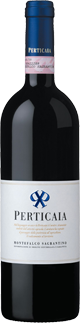
Wine of the Week: Perticaia Montefalco Rosso-$14

Fall Harvest is the perfect time for this lush, robust Ruby-red wine that can be drunk throughout the meal

by Dwight Casimere

Perticaia Montefalco Rosso is an intense, but versatile wine that hails from one of Italy's newest "old" discoveries, the Umbria region, home of the indigenous Sagrantino grape, which is one of the key components of this rich, food-friendly wine.  A blend of three distinctly Italian grapes, 70% Sangiovese,15% Sagrantino and 14% Colorino, Perticaia Montefalco Rosso is a full-bodied wine that is a tremendous value at around $14. The wine goes with just about anything you'd serve at the Fall table, from salami and cold cuts to pasta and first course dishes to traditional Umbrian cuisine or Mediterranean cuisine. The wine is fresh, with the taste of wild ripe red berries with flavors of wild strawberries, raspberries and lingering notes of blueberries mixed in. The mild tannins make it a great wine to pair with food. It can be enjoyed right away or laid down in the cellar for up to five years. Hearty fall dishes such as braised squash risotto, Osso Buco (braised lamb shanks), lasagna, eggplant Parmesan or old fashioned oxtail stew are perfect with Perticaia Montefalco Rosso. 

A note about the Sagrantino grape: It's the newest noble wine variety of Italy, dating back to 1549 in Montefalco. The Sagrantino name can be traced back as far as 1088, when monks began cultivating the grape to create a sweet, raisin wine used for religious rites. The grape almost disappeared from Umbrian vineyards in the 1960s, but diligent work by a few pioneering producers in conjunction with scientists at the local university, reintroduced the grape and the producers obtained the D.O.C. label in 1979. The Sagrantino grape is now used to produce outstanding wines, either as 100% Sagrantino or as a blending grape with a host of local and international varietals. In 1998, the few Sagrantino vines that still flourished within the city walls of Montefalco were labeled and classified. Some were found to date back to 1700 and 1800. The sacred nature and lineage of the wine is affirmed by their presence in the ancient monasteries of St. Claire and St. Leonard.